A historic lake in the heart of the city — how it came to be, how it changes through the day and the seasons, and why it needs our care.
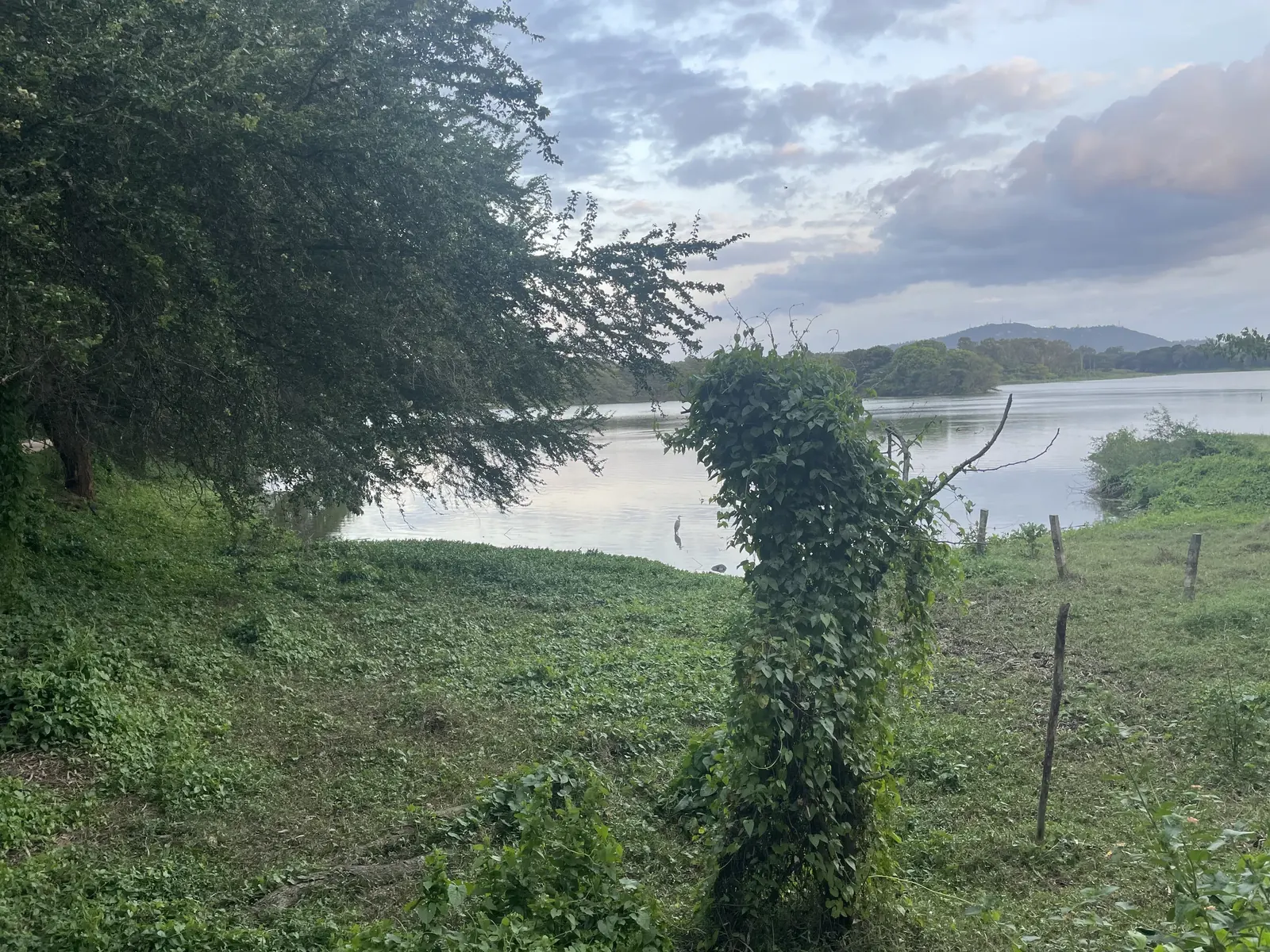
Kukkarahalli Lake is a man-made lake with a history reaching back to the 19th century. It was created in 1864, during the reign of Mummadi Krishnaraja Wodeyar, and was historically associated with water management and irrigation around Mysuru.
Over the years, the lake has become an important part of the city's landscape. What was once primarily a water-management resource is now also an urban green space and a habitat for a wide variety of birds and other wildlife.
Today, Kukkarahalli is a place where the city and nature meet. Its open water, lake margins, vegetation and surrounding trees create a changing landscape throughout the year.
Kukkarahalli provides habitat for many resident and migratory birds. Waterbirds can often be seen around the open water and lake margins, while other species use the surrounding trees and vegetation.
The lake's walking path offers an opportunity to slow down and enjoy an open, green landscape within Mysuru. Early mornings are particularly popular with local walkers.
The lake and its surrounding vegetation form an important natural area within the city. Trees, plants, water and open spaces provide habitat for birds and other forms of life.
Changing light, reflections, trees, birds and seasonal changes make Kukkarahalli an interesting place for photography and quiet observation.
The lake is at its quietest. Soft morning light falls across the water while walkers and early birdwatchers begin their day.
Bird activity can make the lake especially interesting for observation and photography. Look around the water, trees and vegetation rather than focusing on one area alone.
The stronger light changes the appearance of the water and surrounding landscape. Some birds may become less active during the warmer part of the day.
As the light softens, the lake takes on a different character. Reflections, silhouettes and the surrounding trees create a peaceful end to the day.
Rain transforms the surrounding vegetation and changes the appearance and water conditions of the lake.
The surrounding landscape can become particularly green, creating a strong contrast with the open water.
Seasonal conditions can bring changes in bird activity and sightings, making this an interesting period for birdwatchers.
The warmer months bring their own changes to the landscape, water conditions and wildlife activity.
Every visit is a little different.
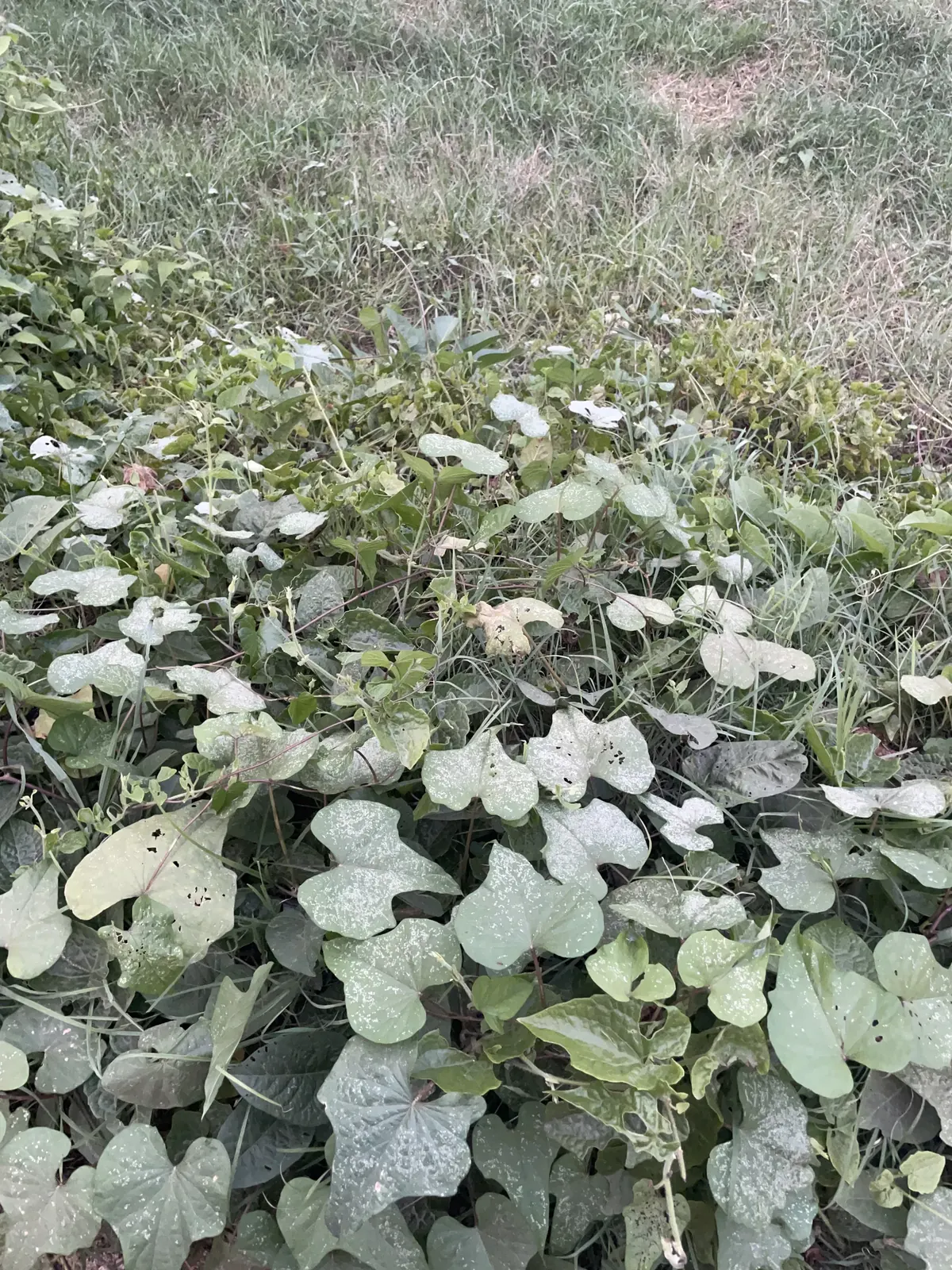
It is easy to think of a lake as simply a body of water. But a healthy wetland is made up of many connected habitats. At Kukkarahalli, the open water exists alongside shallow edges, vegetation, trees and surrounding green areas — and these habitats provide food, shelter and resting places for different species.
A habitat for aquatic organisms and waterbirds.
Important feeding areas for waders and other birds.
Provides food, cover and shelter.
Provide perches and habitat for birds and insects.
Help connect the lake with the wider urban ecosystem.
Like many urban lakes, Kukkarahalli has experienced environmental pressures as the surrounding city has grown. Problems over the years have included pollution, sewage inflows, siltation and changes to the lake's feeder system.
Restoration work has been carried out at different times to improve the lake and its surroundings, including work related to water management, pollution reduction, lake edges and the surrounding environment.
The lake falls under the jurisdiction of the University of Mysore, with restoration and improvement work at different times involving agencies such as the Karnataka Urban Infrastructure Development & Finance Corporation (KUIDFC) and local citizen groups.
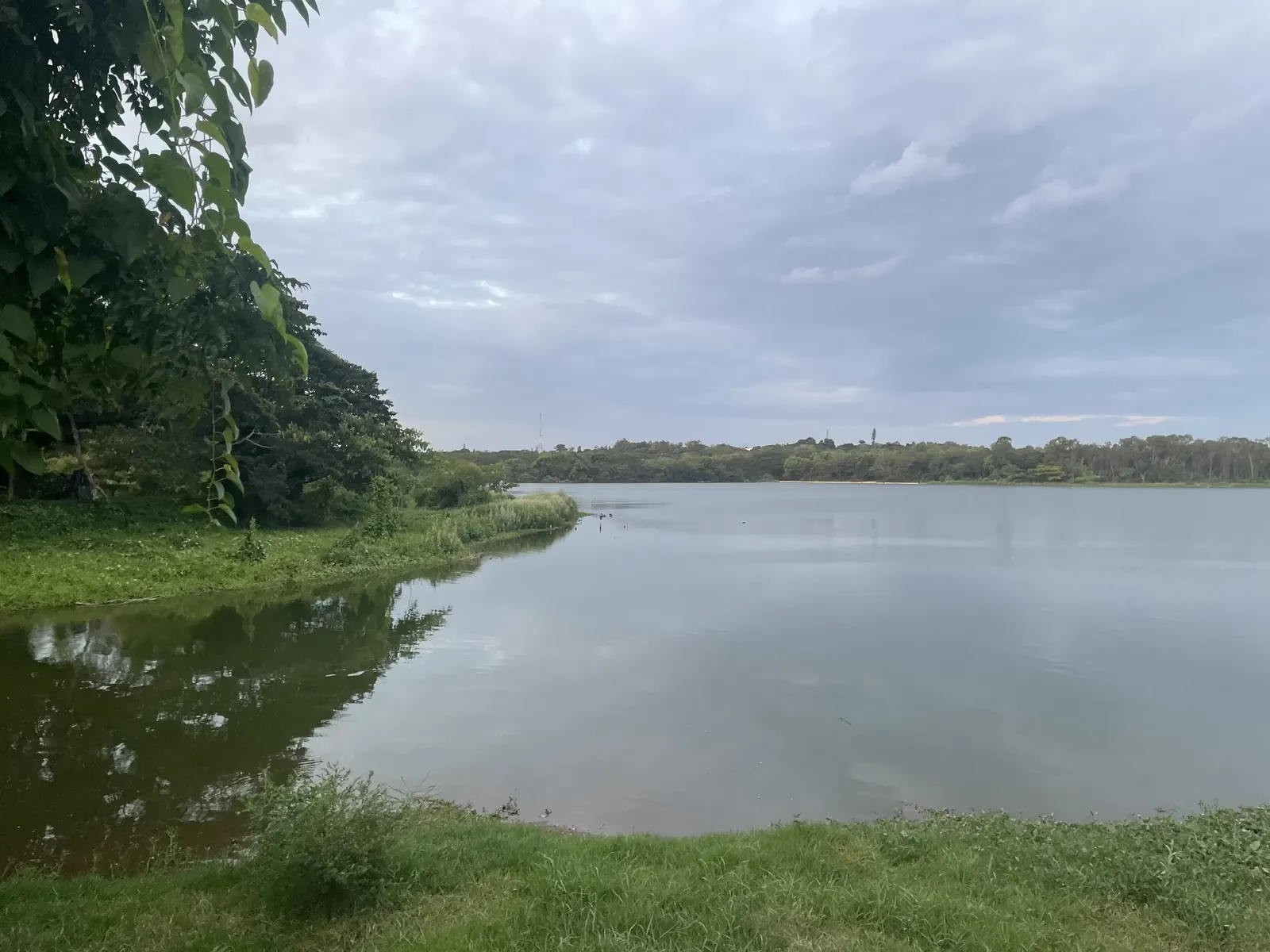
A lake such as Kukkarahalli provides more than a scenic view. It creates habitat for wildlife, preserves open space and gives people an opportunity to experience nature without leaving the city.
For visitors, it can be a place to walk, observe birds and enjoy the landscape. For wildlife, it can be a place to feed, rest and find shelter. For Mysuru, it is part of the city's natural and cultural landscape.
Generations of residents have walked around Kukkarahalli, studied its surroundings, watched its birds and experienced its changing landscape. Its importance today is both ecological and cultural — a reminder that nature does not stop at the edge of a city.